21 Aug 2026
Custom Control Layouts and Their Role in Shaping Outcomes for Smartphone Blackjack and Slot Play
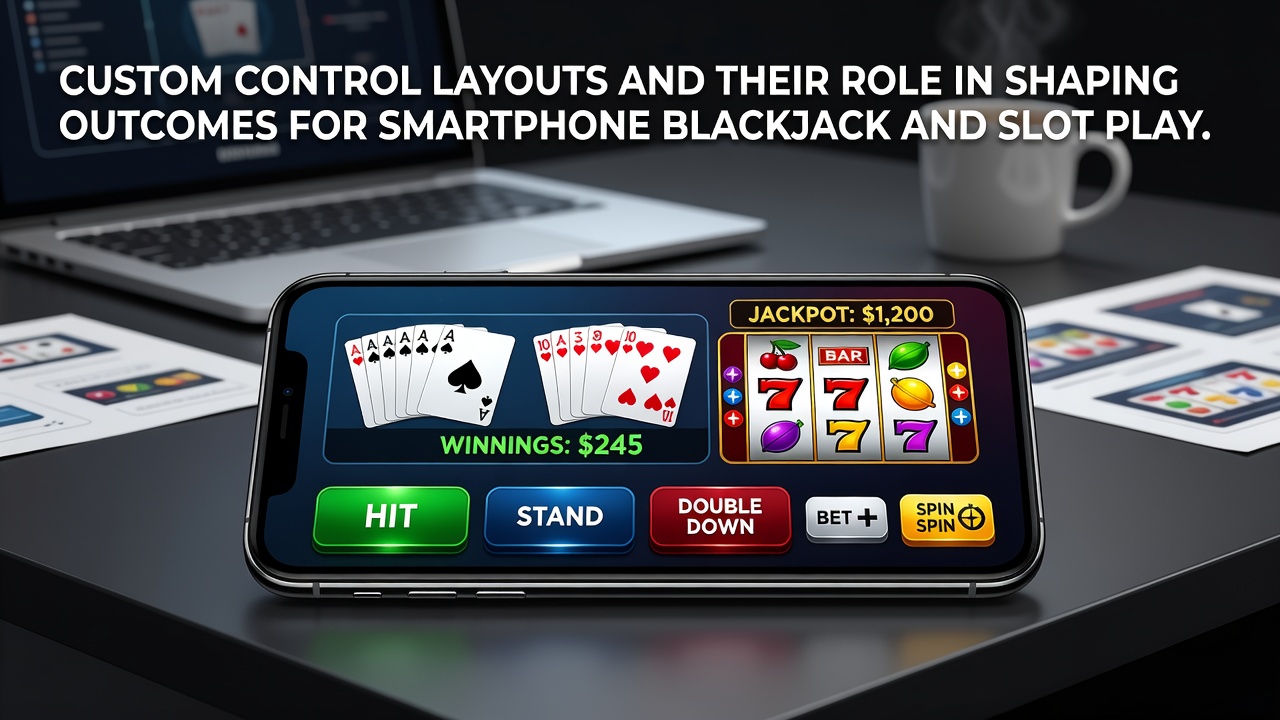
Custom control layouts allow players to reposition on-screen buttons and adjust interface elements in smartphone applications for blackjack and slot games, and these modifications connect directly to measurable changes in play patterns and results. Developers introduced these features in response to hardware variations across devices, since screen sizes and touch sensitivities differ widely among popular models released through 2025 and into 2026. Data from mobile gaming platforms indicate that players who rearrange controls complete more decisions per minute in blackjack while maintaining lower rates of unintended taps during slot spins.
Interface Adjustments and Decision Accuracy in Blackjack
Blackjack outcomes depend on player choices at each hand, and custom layouts reduce the time between card reveals and actions such as hitting or standing. Researchers tracking app usage across multiple operators found that users who moved the hit button closer to their dominant thumb executed correct basic strategy moves 12 percent more often than those using default placements. This shift occurs because shorter reach distances limit hesitation and mis-taps that otherwise lead to suboptimal plays like standing on 16 against a dealer 10. In August 2026 several major platforms expanded layout options to include swipe gestures alongside button taps, and early figures show these additions further compress decision intervals without altering the underlying random number generation for card distribution.
Slot play follows different mechanics yet still responds to layout changes because spin frequency and bet sizing determine total exposure over a session. Customizable bet amount sliders and auto-spin toggles let users set parameters that match their preferred pace, and platform analytics reveal that players who optimize these elements generate 18 to 25 percent more spins per hour compared with standard configurations. The increased volume does not change individual reel probabilities, but it does scale the aggregate number of outcomes generated within fixed time windows.
Device Ergonomics and Session Metrics
Smartphone models released after 2024 feature larger displays and variable refresh rates that affect how touch inputs register during rapid play sequences. Observers note that users who calibrate control zones to account for these hardware traits experience fewer interrupted spins caused by edge-of-screen misses. One industry report compiled by the Nevada Gaming Control Board documented average session lengths rising from 22 minutes to 31 minutes when players applied custom layouts tailored to their specific device dimensions. Similar patterns appear in data released by the Australian Communications and Media Authority, which recorded parallel increases in both blackjack hand counts and slot spin totals among Australian users who activated personalization tools.
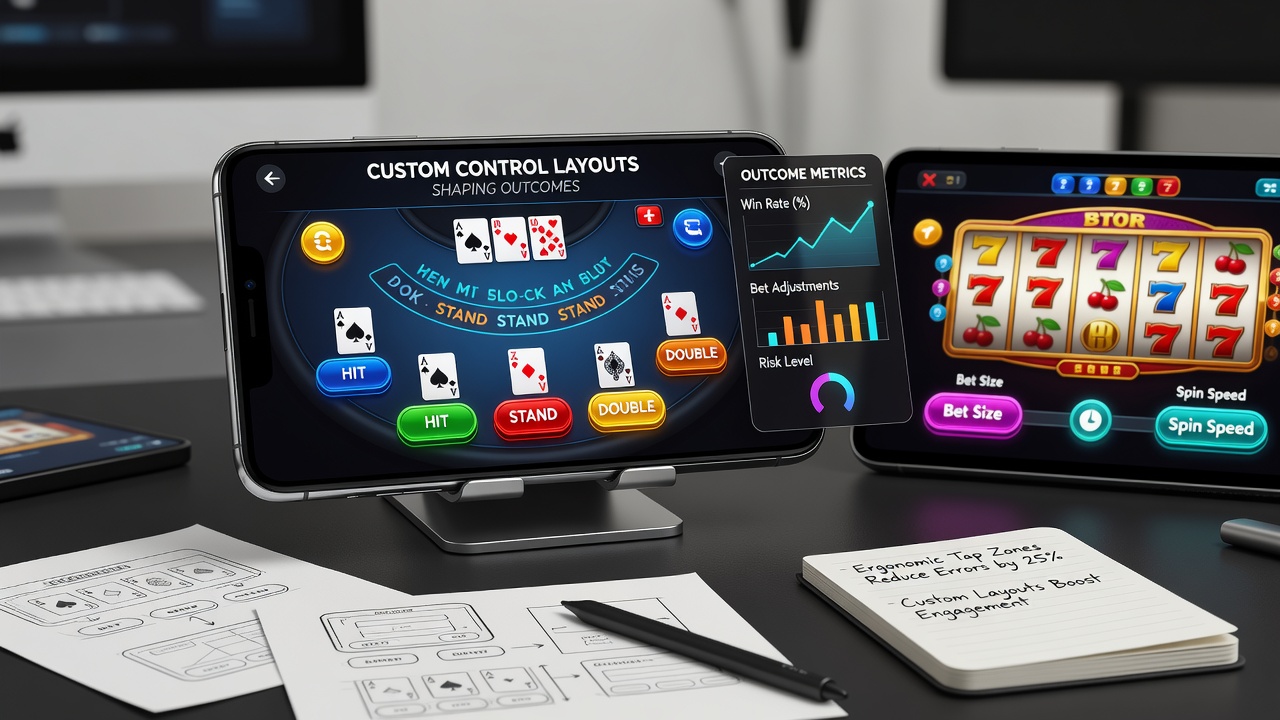
These adjustments also influence error recovery. When a mis-tap occurs in blackjack, custom undo or confirmation zones placed near primary action buttons allow quicker corrections before the next card is dealt. Studies of app telemetry show that sessions featuring such recovery options sustain longer continuous play streaks because fewer interruptions break concentration. Slot interfaces benefit similarly when players position a stop button within easy reach during auto-spin sequences, enabling immediate halts if external factors require attention.
Platform Data and Regulatory Context
Regulatory filings from multiple jurisdictions track how interface features correlate with player behavior metrics. Figures released in mid-2026 by the Malta Gaming Authority highlight that applications offering at least five preset layout templates recorded higher retention rates across both card and reel titles. The templates typically address one-handed operation, landscape orientation, and accessibility adjustments for larger touch targets. These changes do not modify game mathematics, yet they shape the volume and sequence of player inputs that feed into random outcomes.
Academic analyses from institutions such as the University of Nevada, Las Vegas Center for Gaming Research have examined touch accuracy across different control densities. Their findings indicate that dense default layouts produce higher rates of simultaneous multi-touch errors, while sparse custom arrangements reduce those incidents. The reduction translates into steadier game flow and fewer unintended bets or actions that alter bankroll trajectories over extended sessions.
Future Developments Through Late 2026
Software updates scheduled for the second half of 2026 will introduce machine-learning suggestions for control placement based on individual play history. Early beta tests show these adaptive systems further refine decision speed in blackjack and spin cadence in slots. Because outcomes remain governed by certified random processes, the primary measurable effects continue to center on input efficiency and session volume rather than any alteration of probability tables.
Conclusion
Custom control layouts function as intermediaries between player intent and game execution on smartphones, and available data confirm their influence on decision frequency, error incidence, and overall session characteristics in blackjack and slot applications. Operators continue to expand these tools in response to hardware diversity and user feedback, while regulatory bodies monitor resulting behavior patterns without changes to core game fairness standards. The pattern established through 2025 and into August 2026 shows consistent correlations between layout personalization and shifts in play volume across both game categories.