26 Jun 2026
Exploring Intersections of Audio Cues and Selection Habits in Digital Reel Spins Alongside Strategic Card Variants on Portable Devices
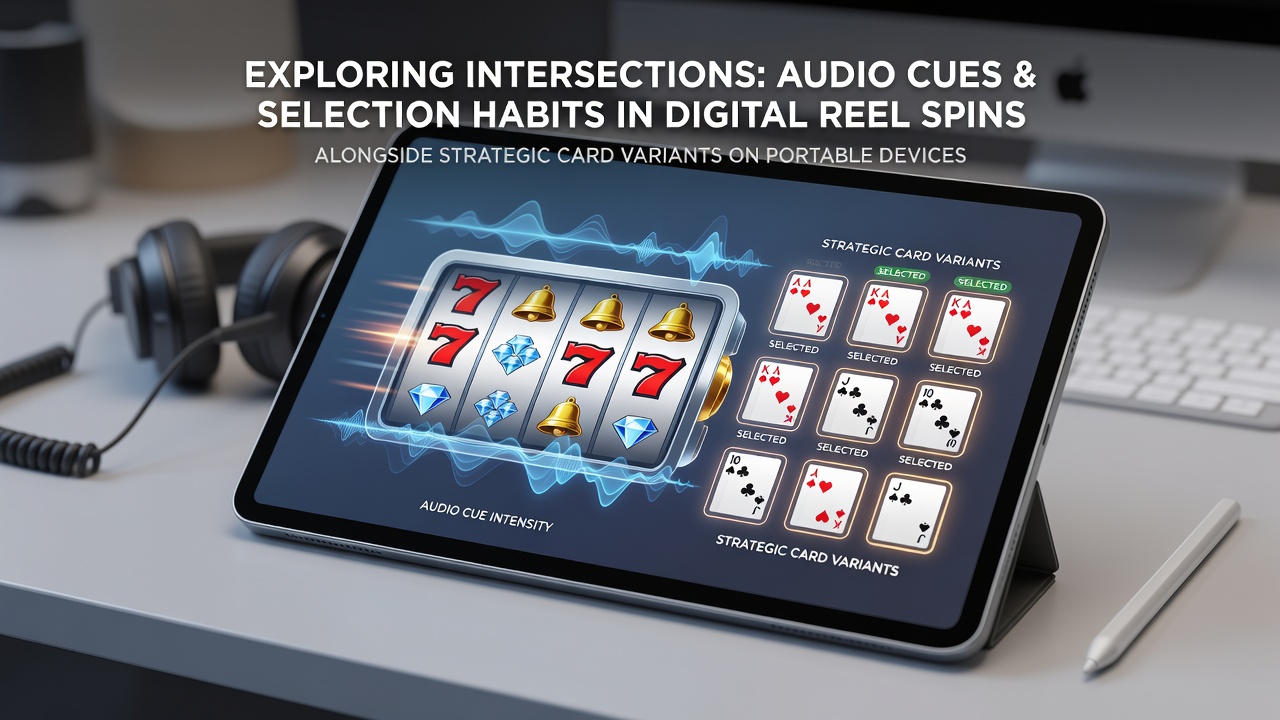
Digital interfaces on portable devices integrate audio cues with player selection patterns in reel-based games and card variants, creating measurable intersections that shape engagement sequences. Researchers tracking mobile sessions note that sound triggers often coincide with decision points where users adjust bet sizes or choose card actions, particularly in environments where visual feedback alone proves insufficient for rapid input. Data collected through app analytics platforms shows consistent correlations between specific audio frequencies and shifts in selection speed across both reel spins and strategic card tables.
Audio Design Elements in Mobile Reel Mechanics
Reel spin applications employ layered soundscapes that include spinning loops, symbol landing chimes, and win notification tones calibrated to different decibel ranges and tempos. Studies from the University of Nevada Gaming Research Center indicate that higher-pitched ascending tones during near-miss sequences increase the likelihood of immediate re-spin selections by measurable margins compared to silent or muted sessions. These audio patterns intersect with habitual betting behaviors when players on smartphones respond to rhythmic cues by tapping selection buttons at predictable intervals, often aligning their choices with the conclusion of each audio cycle rather than independent timing assessments.
Portable device constraints further amplify this dynamic because smaller screens limit peripheral vision, directing attention toward auditory signals that confirm reel outcomes. Observers analyzing session logs from major platforms report that users frequently maintain consistent selection habits when background music maintains steady volume, whereas abrupt audio changes prompt quicker adjustments in bet multipliers or payline counts.
Card Variant Interactions and Sound Integration
Strategic card experiences on mobile platforms incorporate distinct audio markers for card draws, fold decisions, and dealer actions that differ from reel-based feedback loops. Low-frequency pulses accompany high-stakes raises in variants such as video poker hybrids, while shorter staccato clicks signal standard hit or stand choices. Figures released by the New Jersey Division of Gaming Enforcement in early 2026 reveal that players exposed to synchronized audio during card sequences demonstrate altered pacing in their selections, with average decision times decreasing when tonal variations match the urgency level of the current hand.
These elements intersect with reel spin habits when users alternate between game types within single sessions on the same device. Selection patterns established through repeated reel interactions, such as timing taps to audio peaks, transfer partially to card interfaces where similar rhythmic expectations influence whether players accelerate or delay their strategic responses. Industry reports from the Australian Communications and Media Authority document parallel trends across cross-platform users who maintain device-specific habits regardless of game category.
Combined Behavioral Patterns Across Game Types
Portable device users often exhibit hybrid selection sequences when moving between digital reels and card variants, with audio cues serving as the primary bridge. For instance, a player accustomed to reel spin win chimes may extend that response timing to card game payout notifications, resulting in clustered selections around specific sound events. Research compiled by the Canadian Gaming Association highlights that such intersections become more pronounced during extended sessions, where fatigue reduces reliance on visual processing and elevates dependence on consistent audio landmarks for maintaining decision flow.
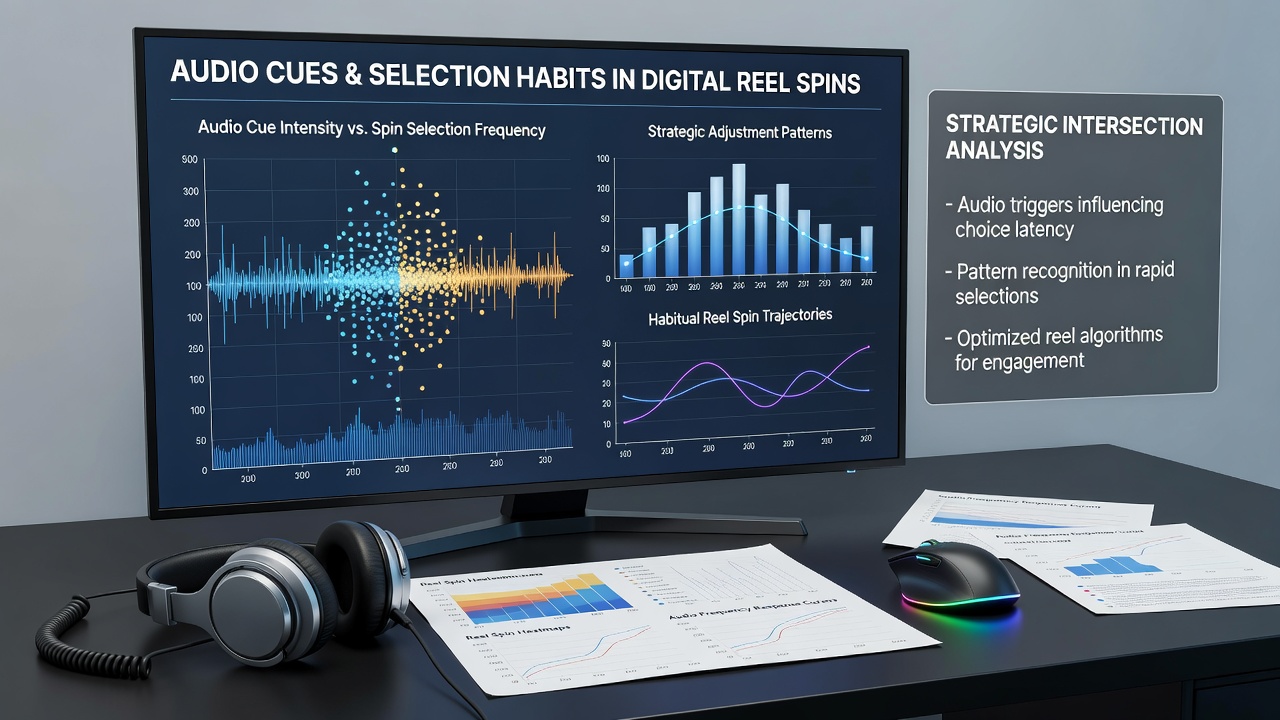
Platform developers adjust audio parameters based on aggregated selection data gathered during June 2026 testing cycles, refining cue timing to match observed habit clusters. This approach yields measurable differences in session duration when compared against control groups using standardized sound profiles. Those analyzing cross-category metrics note that reel spin audio tends to dominate transfer effects, influencing card selection velocity more strongly than the reverse pattern.
Device-Specific Factors Influencing Audio and Selection Dynamics
Screen size, processor speed, and speaker quality on portable devices introduce variables that alter how audio cues register during play. Higher-end tablets deliver fuller frequency ranges that sustain player attention across longer reel sequences and card rounds, whereas entry-level smartphones compress tones in ways that accelerate habit formation around simplified auditory triggers. According to aggregated findings shared by the European Gaming and Betting Association, selection accuracy in strategic card variants declines when audio distortion occurs, prompting users to fall back on previously established reel-based tapping rhythms as compensatory mechanisms.
Operating system updates released mid-2026 further standardized haptic-audio pairings on multiple device models, creating new intersection points where tactile feedback reinforces sound-based selection cues. Players navigating both reel spins and card tables encounter these reinforcements at different rates depending on whether their device processes simultaneous inputs without latency.
Conclusion
Audio cues and selection habits intersect across digital reel spins and strategic card variants on portable devices through measurable patterns documented in regulatory reports and academic analyses. These connections manifest in timing adjustments, habit transfers between game categories, and responses calibrated to device capabilities. Continued monitoring of session data through 2026 provides ongoing insight into how such intersections evolve with interface refinements and platform standards.