12 Jun 2026
How Reward Tiers Shape Engagement Cycles in Digital Reel and Card Experiences Across Different Times of Year
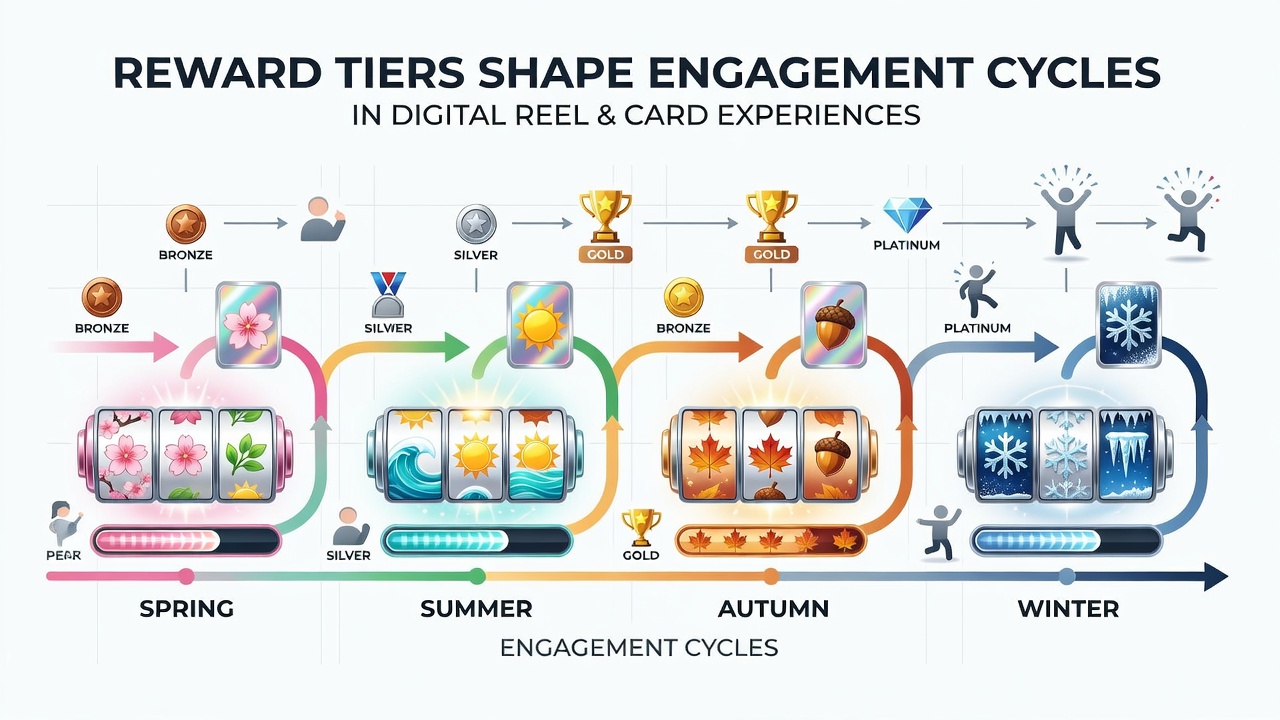
Digital reel and card platforms organize player progression through structured reward tiers that adjust access to bonuses, cashback percentages, and exclusive events according to accumulated activity levels, and these systems produce measurable shifts in engagement patterns that align with calendar cycles. Operators track participation data across months to calibrate tier thresholds, which in turn influence how frequently users return during peak holiday periods versus slower summer stretches. Research from the Nevada Gaming Control Board shows that tier advancement correlates with increased session lengths in the first quarter of each year when promotional calendars emphasize renewal incentives.
Tier Mechanics and Their Seasonal Calibration
Platforms assign users to bronze, silver, gold, or platinum levels based on wagering volume or deposit frequency, then unlock corresponding benefits such as higher match rates on reloads or priority access to new reel titles and table variants. These structures do not remain static, because developers adjust point accrual rates or bonus multipliers ahead of known demand spikes like end-of-year holidays or spring tournament series. Observers note that silver-tier members often receive targeted free spin packages in March and April to sustain momentum after winter peaks, while gold and platinum accounts see enhanced rakeback during slower months when overall platform traffic declines.
Card experiences incorporate similar ladders, where players unlock reduced house-edge variants or private table invites once they surpass monthly hand thresholds. Data indicates that tier resets commonly occur at the start of each calendar quarter, prompting users to accelerate play in January, April, July, and October to regain or improve status before the next cycle begins. Such resets create predictable engagement waves that operators anticipate through inventory planning for both reel libraries and live dealer capacity.
Winter and Holiday Period Patterns
From November through February, reward tiers drive elevated login rates because many programs layer holiday-specific multipliers onto existing benefits, allowing lower-tier users to accelerate progress toward higher status. Engagement logs reveal that platinum members maintain steadier session counts during these months, whereas bronze users show sharper increases when limited-time events stack with standard tier rewards. Card tables experience parallel movement, with tiered cashback applied to side bets or insurance decisions becoming more attractive under seasonal promotions.
Spring Transition and Mid-Year Adjustments
As daylight lengthens, platforms shift emphasis toward retention mechanics that reward consistent weekly activity rather than volume spikes. Silver-tier benefits often expand to include weekend-only reel tournaments or card leaderboards that run through May and June, sustaining participation when external schedules compete for attention. In June 2026, several major operators introduced tier-linked entry into regional qualifier events that feed into larger summer series, producing documented rises in daily active users among mid-tier accounts.
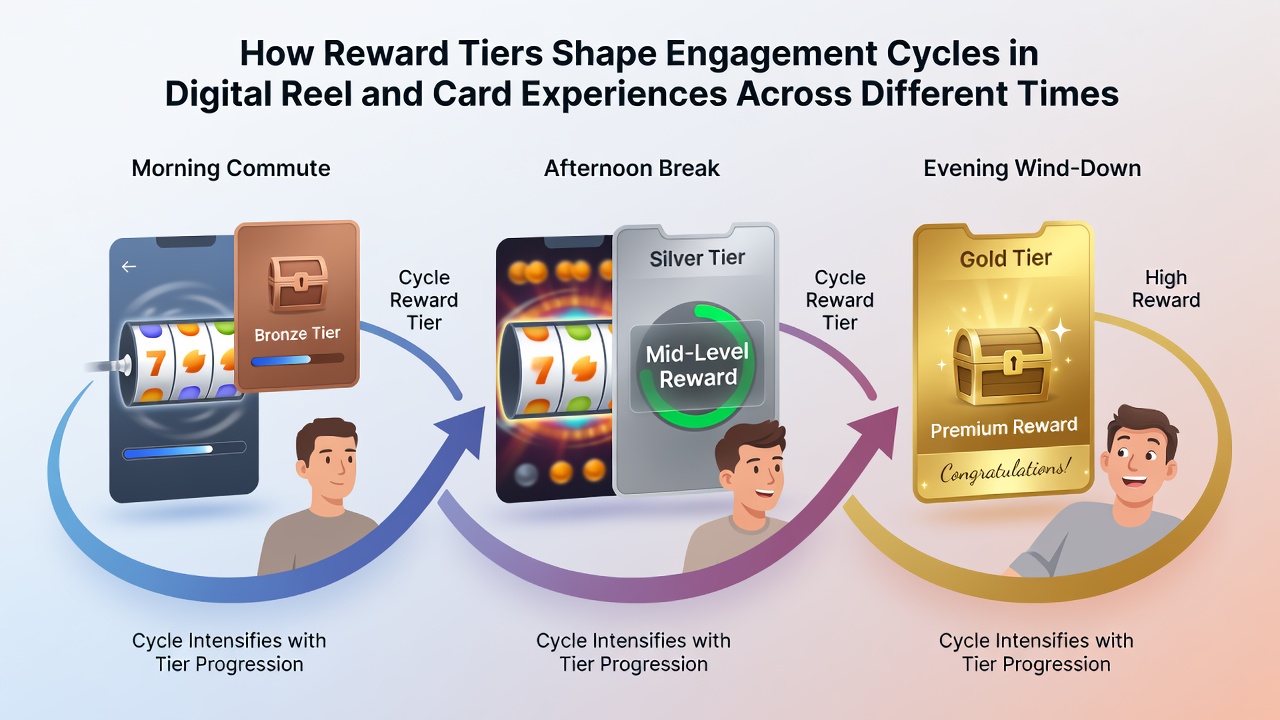
Summer months introduce different dynamics because vacation patterns reduce average session frequency for many demographics, yet reward tiers counteract this through portable incentives such as mobile-only cashback or time-limited tier protection. Researchers tracking Australian wagering data have recorded that gold-tier users maintain higher return rates in July and August compared with non-tiered accounts, largely due to preserved point balances that carry across travel-related absences. Reel titles featuring progressive elements see tier-gated access to higher contribution rates during these periods, concentrating play among committed users.
Autumn Reset and Year-End Acceleration
September through December brings renewed focus on tier advancement as operators launch end-of-year campaigns that combine standard progression with additional milestone rewards. Engagement cycles lengthen because users aim to secure platinum status before annual resets, and this behavior appears consistently across both reel and card verticals. Studies compiled by the European Gaming and Betting Association indicate that platinum-tier retention remains above 70 percent during the final quarter even as overall platform traffic fluctuates, underscoring the stabilizing effect of accumulated benefits.
Card platforms exhibit similar stabilization, with tiered players receiving priority seating or reduced rake during high-traffic holiday weekends. The combination of preserved status and layered promotions creates compounding effects that carry engagement into the following year, reducing churn among higher-tier cohorts compared with entry-level accounts.
Conclusion
Reward tier frameworks therefore function as calendar-responsive levers that moderate engagement amplitude across digital reel and card environments. Quarterly resets, seasonal multipliers, and tier-specific event access collectively generate recurring patterns visible in platform analytics throughout the year. Operators continue to refine these systems using historical data, producing measurable alignment between tier structures and cyclical user behavior without altering core game mathematics.